
Heat Pump Installation 101: Everything You Need to Know
Heat pump installation is gaining popularity among homeowners seeking energy efficiency and reduced carbon footprints. This technology, known for its ability to both heat and cool homes, offers a clever alternative to traditional HVAC systems by moving heat rather than generating it. For many homeowners in Palm Coast, FL, deciding on a heat pump means looking for reliable products that provide comfort without unexpected costs.
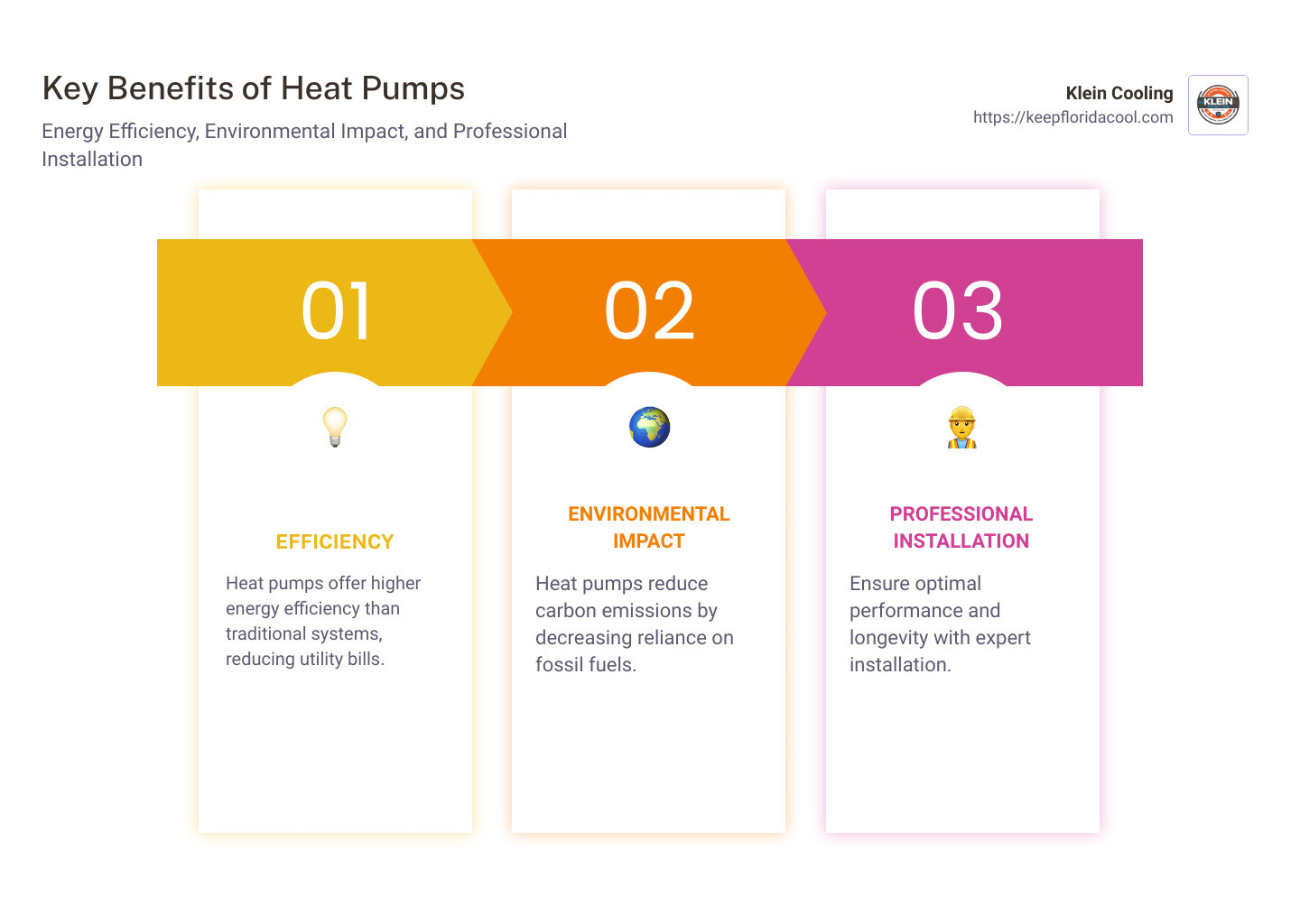
Key Benefits of Heat Pumps:
-
Efficiency: Heat pumps are typically more energy-efficient than conventional heating systems, leading to lower utility bills.
-
Environmental Impact: By reducing reliance on fossil fuels, heat pumps help decrease carbon emissions, contributing to a healthier planet.
-
Professional Installation: Working with HVAC professionals ensures that your system is installed correctly for optimal performance and longevity.
When installed by experts like the team at Klein Cooling, heat pumps not only meet but often exceed expectations for comfort and savings.
Understanding Heat Pumps
Heat pumps are a remarkable innovation in home comfort, providing an efficient way to manage indoor temperatures by transferring heat rather than generating it. This section explains the basics of how these systems function and the types available, helping you make an informed choice for your home.
Heat Transfer: The Core of Heat Pumps
The operation of a heat pump is based on the principle of heat transfer. Unlike traditional systems that burn fuel to produce heat, heat pumps move heat from one location to another. During winter, they extract heat from the outside air or ground and bring it indoors. In summer, the process is reversed, removing heat from your home and releasing it outside. This method is both energy-efficient and cost-effective.
Air-Source Heat Pumps: A Flexible Option
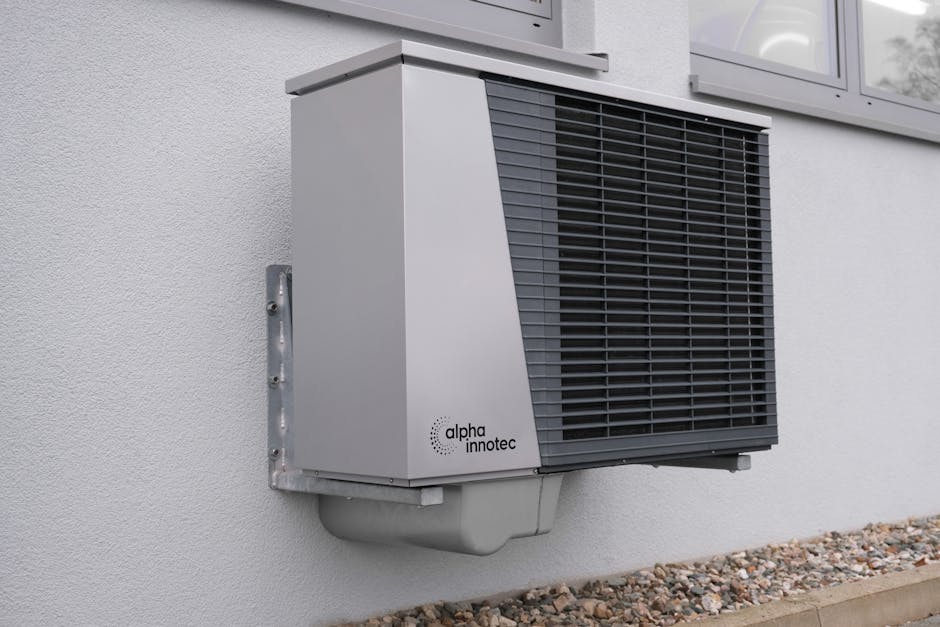
Air-source heat pumps are the most prevalent type, and for good reason. They utilize the outside air to heat and cool your home. These systems are relatively straightforward to install, making them a popular choice for many homeowners. According to the U.S. Department of Energy’s National Renewable Energy Laboratory, air-source heat pumps can significantly reduce energy bills, especially in colder climates, due to their efficiency in extracting heat even when outdoor temperatures are low.
Ground-Source Heat Pumps: The Geothermal Edge
Ground-source heat pumps, also known as geothermal heat pumps, capitalize on the earth’s stable underground temperatures to provide heating and cooling. These systems are highly efficient year-round because the ground temperature remains relatively constant. Installation involves burying loops of piping underground, which can be more complex and costly than air-source systems. However, the long-term savings and environmental benefits can be substantial.
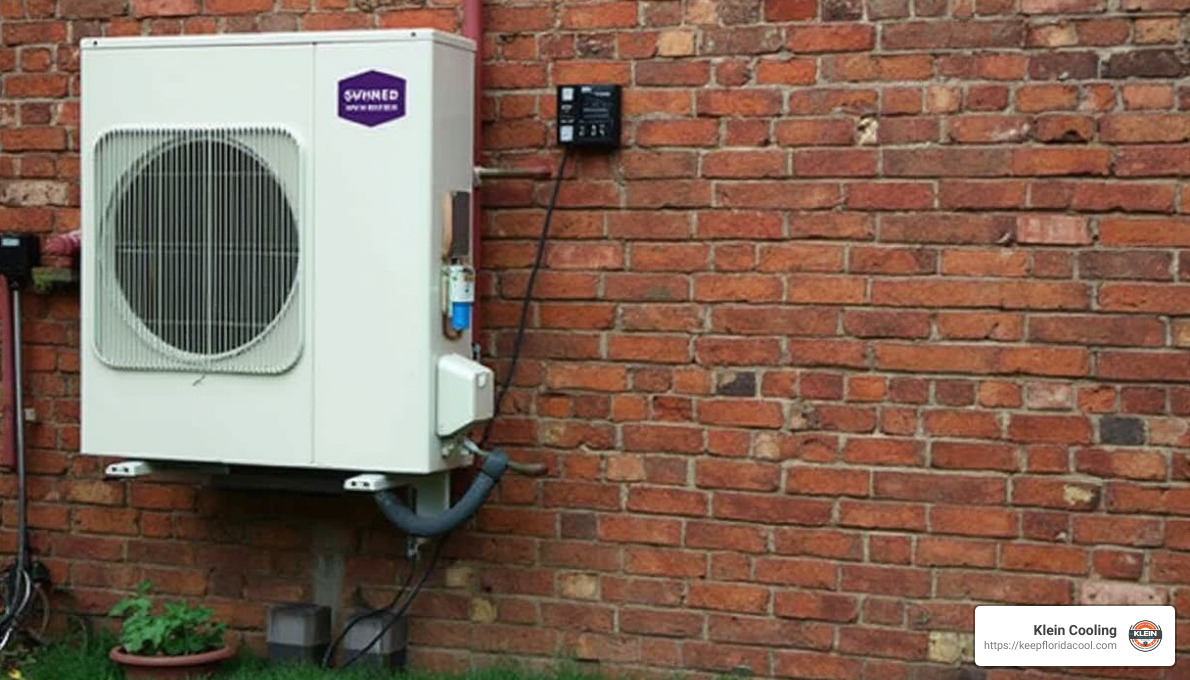
Both air-source and ground-source heat pumps offer unique advantages. The decision between them often depends on factors like your local climate, available space for installation, and budget. By understanding these systems, you can better determine which type of heat pump meets your needs.
In the next section, we’ll explore the heat pump installation process, examining how these systems are integrated into your home for optimal performance.
Heat Pump Installation Process
Installing a heat pump is a step-by-step process that requires careful planning and expertise. Here’s a breakdown of what you can expect during the heat pump installation.
Electrical Connection
A crucial part of the installation is connecting the heat pump to your home’s electrical system. This ensures the pump has the power it needs to operate efficiently. An HVAC professional will inspect your electrical panel to determine if it can handle the additional load. If your panel is outdated, it may require an upgrade.
Fun Fact: The outdoor unit of a heat pump can weigh up to 300 pounds, so it’s typically installed on a sturdy composite pad to protect it from snow and ice.
Duct System
If your home already has an air duct system, the installer will check if it’s compatible with the new heat pump. Any necessary alterations will be made to ensure proper airflow. If you don’t have ducts, or if your current system isn’t suitable, ductless heat pumps are an excellent alternative. They provide flexibility and can be installed in homes without existing ductwork.
HVAC Professional
Hiring a skilled HVAC professional is vital. They bring the expertise needed to handle complex tasks like electrical connections and ductwork modifications. A professional ensures that your heat pump is installed correctly, reducing the risk of future issues. They will also guide you through the initial setup and provide a walkthrough of the system’s operations.
Tip: Always verify that your installer is licensed and experienced in heat pump installations. This can prevent common problems associated with improper setup.
Once the installation is complete, the installer will clean up the area and test the system to make sure everything is working perfectly. You’ll also receive instructions on how to operate your new heat pump efficiently.
In the next section, we’ll explore the different types of heat pumps available and how to choose the right one for your home.
Types of Heat Pumps
When choosing a heat pump for your home, understanding the different types available can help you make an informed decision. Each type has its own benefits and ideal use cases.
Air-Source Heat Pumps
Air-source heat pumps are the most common type. They work by transferring heat between your house and the outside air. These systems are energy-efficient and can reduce electricity use for heating by up to 75% compared to traditional electric resistance heating methods like furnaces and baseboard heaters.
Advantages:
- Energy Savings: Modern air-source heat pumps have improved significantly, making them suitable even for colder climates.
- Dehumidification: They dehumidify better than standard central air conditioners, providing more cooling comfort during summer.
Considerations:
- Climate: While advancements have made them viable in subfreezing temperatures, their efficiency is highest in moderate climates.
Ground-Source Heat Pumps
Also known as geothermal heat pumps, these systems use the earth as a heat source in winter and a heat sink in summer. They are incredibly efficient because the ground maintains a relatively constant temperature throughout the year.
Advantages:
- Efficiency: Ground-source heat pumps are among the most efficient heating and cooling systems available.
- Longevity: These systems tend to have a longer lifespan compared to air-source heat pumps.
Considerations:
- Installation Cost: They can be more expensive to install due to the need for underground piping.
Ductless Heat Pumps
Ductless heat pumps, also known as mini-split systems, are perfect for homes without existing ductwork. They offer flexible solutions for both heating and cooling.
Advantages:
- Flexibility: Ideal for zone heating, allowing you to control the temperature in individual rooms.
- Ease of Installation: Less invasive installation process compared to ducted systems.
Considerations:
- Cooling Limitations: Some ductless systems, like air-to-water heat pumps, provide heating via hot water but may not offer cooling.
Choosing the right type of heat pump depends on your home’s needs and existing infrastructure. For homes with ductwork, air-source heat pumps are often the go-to choice. If you’re looking for maximum efficiency and have the budget for it, ground-source systems are worth considering. For homes without ducts, ductless heat pumps provide an efficient and flexible option.
Next, we’ll dive into the cost considerations of installing a heat pump, including equipment and labor charges.
Cost Considerations
When planning for a heat pump installation, understanding the costs involved is crucial. These costs generally fall into three categories: installation cost, equipment, and labor charges.
Installation Cost
The total cost of installing a heat pump can vary widely. For a typical residential setup, prices range from $3,000 to $8,000, depending on the type and size of the system. Factors like your home’s location, existing infrastructure, and specific heating and cooling needs will influence the final price.
- Air-source heat pumps usually cost less to install compared to ground-source systems. This is because they don’t require extensive underground work.
- Ground-source heat pumps, while more efficient, can be significantly pricier due to the need for drilling or trenching to lay underground pipes.
Equipment
The cost of the heat pump equipment itself is a significant part of the installation budget. Here’s a rough breakdown:
- Air-source heat pumps: Equipment costs typically range from $1,500 to $5,000.
- Ground-source heat pumps: These can range from $3,000 to $10,000 due to the complexity and efficiency of the system.
- Ductless systems: Expect to pay between $1,500 and $4,000 for equipment, depending on the number of indoor units needed.
Labor Charges
Labor charges for installing a heat pump can range from $1,000 to $3,000. This cost includes the time and expertise required to properly connect the system to your home’s electrical and duct systems.
- Complex installations, like ground-source systems, may require more labor due to the need for excavation.
- Ductwork modifications might add to labor costs if your home requires significant changes to accommodate the new system.
Additional Costs
Don’t forget about additional expenses that might arise, such as:
- Electrical upgrades: If your current system isn’t compatible, expect extra costs for electrical work.
- Permits and inspections: Local regulations may require permits and inspections, adding to the overall cost.
Considering these factors will help you budget effectively for your heat pump installation. The next section will address some common questions about heat pump installation, including average costs and requirements for a typical home.
Frequently Asked Questions about Heat Pump Installation
What is the average cost of a heat pump installation?
The average cost of a heat pump installation can range from $3,000 to $8,000. This range depends on several factors, such as the type of heat pump you choose and the complexity of the installation. For example, air-source heat pumps are generally less expensive to install than ground-source systems, which require more extensive work like drilling. Additionally, labor charges and the cost of necessary equipment can influence the final price.
What is required to install a heat pump?
Installing a heat pump involves several key requirements. First, your home’s electrical system must be compatible with the new installation. This means ensuring your electrical panel can handle the load of the heat pump. In some cases, you might need to upgrade your electrical system to support the new equipment.
Next, consider your home’s air duct system. If you are installing a ducted heat pump, your existing ducts need to be in good condition to effectively distribute air throughout your home. If your home lacks a duct system or if it’s outdated, you might need to install new ductwork or opt for a ductless system.
How much is a heat pump for a 2000 square foot house?
For a 2000 square foot house, you will typically need a 3-4 ton heat pump. The cost for this size of heat pump generally falls between $4,000 and $10,000, including installation. The exact price can vary based on factors like the efficiency of the unit, the type of heat pump, and any additional work required for installation, such as electrical system upgrades or duct modifications.
Understanding these requirements and costs can help you prepare for a heat pump installation and ensure a smooth process. In the next section, we’ll explore the types of heat pumps available and their specific benefits.
Conclusion
At Klein Cooling, we pride ourselves on delivering expert HVAC services custom to the needs of our Palm Coast community. Whether you’re considering a heat pump installation or need routine maintenance, our dedicated team is here to provide honest, reliable, and professional service.
Our family-owned business is built on values of integrity and exceptional service. We understand that each home is unique, which is why we offer customized solutions to ensure your comfort all year round. From installation to repair and maintenance, our skilled technicians treat every project with the care and attention it deserves.
Choosing the right HVAC system can be daunting, but with our expertise, you can make informed decisions that suit your budget and needs. We also offer special discounts for first responders, military personnel, and seniors, making quality service accessible to everyone.
For more details on our services, including preventative maintenance and air duct cleaning, visit our additional services page. Let us help you create a comfortable and efficient home environment with our top-tier HVAC solutions.