
In-Depth Guide to Energy Efficient HVAC Systems
Energy efficient HVAC systems are essential for those looking to reduce energy bills and promote eco-friendly living. These systems use less energy to heat and cool your home, providing cost-effective and environmentally friendly climate control.
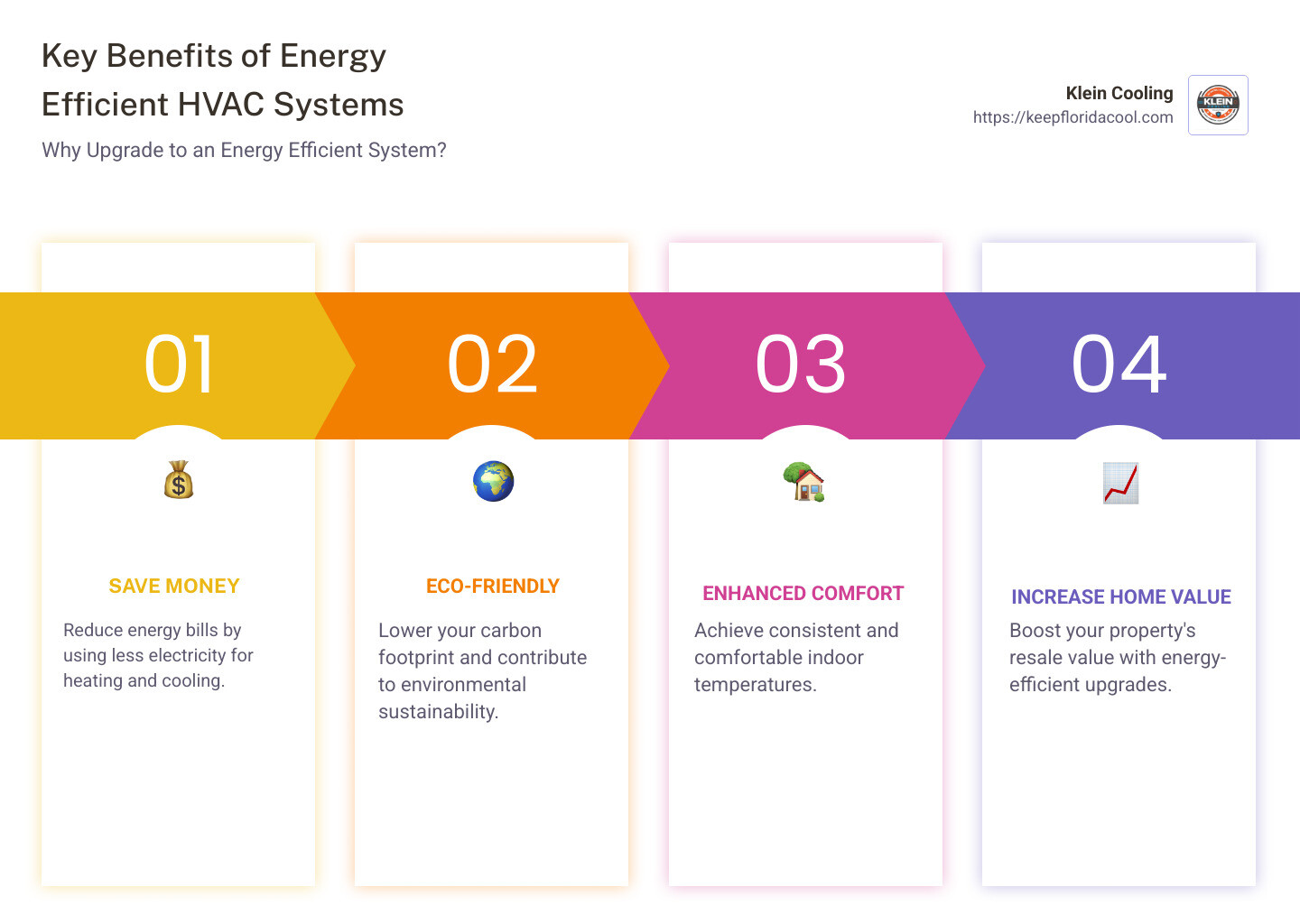
- Save money on energy bills
- Lower your carbon footprint
- Increase home comfort and value
As you explore ways to make your HVAC system more energy efficient, it’s crucial to understand the available options and strategies. From upgrading to a high-efficiency unit to retrofitting existing systems, numerous solutions can improve performance while cutting costs.
Stay with us to find what makes an HVAC system energy efficient and explore the latest technologies that can help transform your home into a model of sustainability. With practical tips and expert insights, this guide will empower you to make informed decisions for a more energy-efficient and comfortable home.
Must-know Energy efficient HVAC terms:
– energy efficient air conditioning systems
– most efficient way to heat and cool a home
– top energy efficient air conditioners
Understanding Energy Efficient HVAC Systems
When it comes to energy efficient HVAC systems, three technologies stand out: air-source heat pumps, geothermal heat pumps, and ductless mini split systems. Each offers unique benefits and can significantly reduce energy usage in your home.
Air-Source Heat Pumps
Air-source heat pumps are like the Swiss army knife of HVAC systems. They can both heat and cool your home by transferring heat between the inside and outside. During winter, they extract heat from the outside air and bring it inside. In the summer, they reverse the process, moving heat from indoors to outdoors. These pumps typically have SEER ratings between 20-25, making them highly efficient.

Geothermal Heat Pumps
Geothermal heat pumps take energy efficiency to the next level by using the stable temperatures underground to heat and cool your home. Even when outside temperatures fluctuate, the ground a few feet down remains relatively constant. This stability allows geothermal systems to operate with remarkable efficiency, often saving homeowners 30-60% on heating costs compared to traditional systems.
These systems are particularly beneficial in areas with extreme temperatures, where consistent performance is crucial. However, they require significant upfront investment and space for installation, which can be a challenge for some homeowners.
Ductless Mini Split Systems
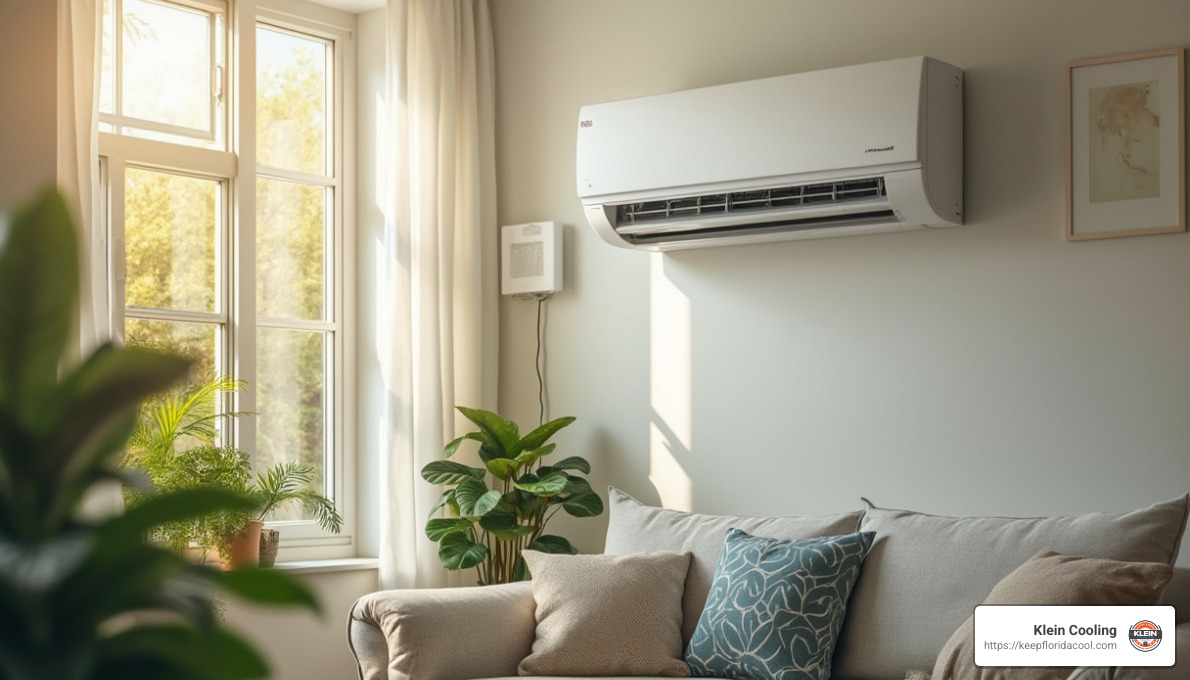
If you need a flexible and efficient solution, ductless mini split systems are worth considering. These systems consist of an indoor air-handling unit and an outdoor compressor, making them ideal for homes without existing ductwork. They’re easy to install and provide targeted heating or cooling to specific areas of your home.
Ductless mini splits are known for their quiet operation and energy efficiency, making them perfect for retrofitting or adding on to existing spaces. However, they may not be the best choice for large homes or open floor plans due to their localized nature.
Understanding these options will help you choose the right energy efficient HVAC system for your home. Whether you’re looking for a versatile air-source heat pump, a highly efficient geothermal option, or a flexible ductless mini split, there’s a solution to fit your needs.
Let’s dive deeper into the benefits of these systems and how they can transform your home into an energy-efficient haven.
Benefits of Energy Efficient HVAC Systems
Investing in an energy efficient HVAC system can transform your home in more ways than one. Let’s explore the top benefits:
Lower Energy Bills
Imagine slashing your energy bills by a significant margin. That’s what energy efficient HVAC systems can do. These systems are designed to use less energy for the same amount of heating or cooling, thanks to technologies like air-source heat pumps and ductless mini splits. For instance, geothermal heat pumps can save homeowners 30-60% on heating costs compared to traditional systems. Over time, these savings can add up, making a noticeable difference in your monthly expenses.
Reduced Carbon Footprint
By using less energy, these systems also help reduce your carbon footprint. Traditional HVAC systems often rely heavily on fossil fuels, contributing to greenhouse gas emissions. In contrast, energy efficient systems like geothermal heat pumps leverage renewable energy sources, making them a greener choice. This means you can enjoy a comfortable home while contributing to a healthier planet.
Increased Home Resale Value
An energy efficient HVAC system can also boost your home’s resale value. Buyers are increasingly looking for homes with sustainable features. A house equipped with a high-efficiency HVAC system is more attractive to eco-conscious buyers and can command a higher price on the market. According to some studies, energy-efficient upgrades can increase a home’s value by up to 15%.
These benefits make investing in an energy efficient HVAC system a smart choice for homeowners. Not only do you save money and reduce your environmental impact, but you also improve the value of your home.
In the next section, we’ll take a closer look at the top technologies that make these systems so effective.
Top Energy Efficient HVAC Technologies
When it comes to energy efficient HVAC systems, three technologies stand out: air-source heat pumps, geothermal heat pumps, and ductless mini split systems. Each offers unique advantages that contribute to energy savings and comfort.
Air-Source Heat Pumps
Energy Transfer & High Efficiency
Air-source heat pumps are like nature’s own thermostat. They work by transferring heat from the air outside to the inside during winter, and vice versa in summer. This process is incredibly efficient, as it moves heat rather than generating it. With SEER ratings often between 20-25, these systems are among the most efficient available. They can cut energy use by up to 50% compared to electric resistance heating like furnaces and baseboard heaters. This not only reduces energy bills but also minimizes environmental impact.
Geothermal Heat Pumps
Groundwater-Based Systems & Electricity Efficiency
Geothermal heat pumps take efficiency to another level by tapping into the earth’s stable underground temperatures. They use groundwater or earth loops to transfer heat, making them less susceptible to the fluctuations of outdoor air temperatures. This method is highly efficient, using 25-50% less electricity than conventional heating or cooling systems. While the initial installation cost can be higher, the long-term savings and potential tax incentives make geothermal systems an attractive option for many homeowners. Plus, they offer consistent comfort regardless of weather extremes.
Ductless Mini Split Systems
Quiet Operation & Efficient Cooling
Ductless mini split systems are perfect for homes without existing ductwork or for adding comfort to specific rooms. These systems consist of an indoor air-handling unit and an outdoor compressor. They are known for their quiet operation and precise temperature control, making them a favorite for bedrooms and home offices. Ductless systems are also incredibly energy efficient, as they avoid the energy losses associated with ductwork. This makes them an ideal choice for retrofits or rooms that need a little extra temperature management.
These top technologies each bring their own strengths to the table, ensuring that homeowners can find a solution that fits their unique needs. Whether you’re aiming for the highest efficiency, the quietest operation, or the most sustainable option, there’s an energy efficient HVAC system that can deliver.
In the next section, we’ll guide you on how to choose the right system for your home, considering factors like ENERGY STAR certification and professional installation.
How to Choose the Right Energy Efficient HVAC System
Choosing the right energy efficient HVAC system is like picking the perfect pair of shoes. It needs to fit your home and lifestyle just right. Here’s what you should look for:
ENERGY STAR Certification
Think of ENERGY STAR certification as a gold star for your HVAC system. It means the system meets strict energy efficiency guidelines set by the U.S. Environmental Protection Agency. This certification ensures you’re getting a system that’s both efficient and environmentally friendly. Plus, ENERGY STAR systems often qualify for rebates and tax credits, making them a smart choice for your wallet too.
SEER and EER Ratings
When shopping for HVAC systems, pay attention to SEER and EER ratings. These numbers tell you how efficient the system is at cooling your home.
-
SEER (Seasonal Energy Efficiency Ratio) measures how efficiently an air conditioner cools over a typical cooling season. Higher SEER ratings mean better efficiency. A SEER of 14.5 is the minimum for ENERGY STAR, but some systems go up to 28.
-
EER (Energy Efficiency Ratio) is like a snapshot of efficiency at a specific temperature. It’s crucial for areas with consistently hot climates. Look for systems with an EER of 13 or more for top efficiency.
Professional Installation
Proper installation is crucial for your HVAC system’s performance. Even the best system can underperform if not installed correctly. A professional installer ensures everything is set up for optimal efficiency and longevity. They will also make sure your ductwork is sealed to prevent air leaks, which can save up to 30% on energy use.
Choosing the right energy efficient HVAC system involves understanding these key factors. By considering ENERGY STAR certification, SEER and EER ratings, and opting for professional installation, you can ensure your system is both cost-effective and environmentally friendly.
Next, we’ll explore how to maintain your system for long-term efficiency and savings.
Energy Efficient HVAC System Installation and Maintenance
Installing and maintaining an energy efficient HVAC system isn’t just about getting the best equipment. It’s about making sure everything works together perfectly to keep your home comfy and your energy bills low.
Proper Installation
Proper installation is like laying a solid foundation for a house. Without it, even the best energy efficient HVAC system can fall short. The U.S. Department of Energy highlights that poor installation can increase energy use by up to 30%. That’s why it’s crucial to have a professional handle it. They ensure the system is set up correctly and that your ductwork is sealed tight to prevent air leaks. This keeps your system running efficiently and saves you money in the long run.
Regular Maintenance
Think of regular maintenance as a health check-up for your HVAC system. It helps catch small issues before they become big problems. Regular maintenance includes checking refrigerant levels, cleaning coils, and replacing air filters. This keeps your system running smoothly and extends its lifespan. Klein Cooling offers comprehensive maintenance plans that include all these essential services. Scheduling these check-ups at the start and end of each season is a smart move to ensure your system performs at its best.
Duct Sealing
Duct sealing is often overlooked but is vital for maintaining an energy efficient HVAC system. According to ENERGY STAR, up to 20% of the air moving through your duct system can be lost due to leaks, holes, and poorly connected ducts. Products like Aeroseal can fill in any cracks and holes, preventing air leakage and ensuring that conditioned air reaches every corner of your home. This not only improves efficiency but also improves indoor air quality.
Incorporating these practices into your HVAC strategy can significantly improve your system’s efficiency and longevity. Next, we’ll answer some common questions about energy efficient HVAC systems to help you make informed decisions.
Frequently Asked Questions about Energy Efficient HVAC
What is the most energy efficient HVAC unit?
When it comes to the most energy efficient HVAC units, air-source heat pumps and geothermal heat pumps are often at the top of the list.
Air-source heat pumps work by transferring heat between your home and the outside air. They are versatile and can provide both heating and cooling. These systems are particularly efficient in milder climates and have SEER ratings ranging from 20 to 25, making them a popular choice for energy savings.
On the other hand, geothermal heat pumps use the stable temperature of the earth to heat and cool your home. They are less affected by outdoor temperature changes, which means they can maintain high efficiency throughout the year. With coefficients of performance (COP) between 4 and 5, geothermal systems are incredibly efficient, especially in areas like Palm Coast, FL, where the ground conditions are favorable.
Is energy efficient HVAC worth it?
Investing in an energy efficient HVAC system can be a smart financial decision. While the upfront costs may be higher, the long-term benefits often outweigh the initial investment.
Cost savings are one of the most significant advantages. By reducing energy consumption, homeowners can see a noticeable decrease in their utility bills. Additionally, these systems often require less maintenance and have longer lifespans, further contributing to savings over time.
Moreover, an energy efficient system helps in energy reduction, which is beneficial for the environment. Lower energy usage means a smaller carbon footprint, making it an eco-friendly choice for those looking to reduce their impact on the planet.
What HVAC systems qualify for tax credits?
The Inflation Reduction Act of 2022 offers tax incentives for upgrading to energy efficient systems, making now a great time to consider these improvements.
Qualified improvements include a range of HVAC systems. Homeowners can claim up to 30% of the cost for eligible upgrades, such as heat pumps and geothermal systems, up to a certain limit. For instance, you can save up to $2,000 when upgrading to heat pump technology.
To qualify for these tax credits, ensure that the equipment is installed by a professional and meets the required efficiency standards. Additionally, these credits can be claimed using IRS Form 5695, which helps reduce the amount of income tax you owe.
These incentives not only make energy efficient upgrades more affordable but also encourage homeowners to make environmentally friendly choices. Next, we’ll wrap up with a closer look at Klein Cooling’s expert services in Palm Coast, FL.
Conclusion
At Klein Cooling, we pride ourselves on delivering expert HVAC services to the Palm Coast, FL community. As a family-owned business, our core values of honesty and integrity guide every service we provide. Whether you’re considering upgrading to an energy efficient HVAC system or need maintenance for your existing unit, we’re here to help.
Our team of skilled technicians is well-versed in the latest energy efficient HVAC technologies, including air-source and geothermal heat pumps. We understand the importance of proper installation and regular maintenance to ensure these systems operate at peak efficiency. That’s why we offer comprehensive services, from installation to repair and maintenance, ensuring your system runs smoothly and efficiently.
Choosing the right HVAC system can be overwhelming, but we’re here to simplify the process. We offer guidance on selecting ENERGY STAR certified equipment and understanding SEER and EER ratings, so you can make informed decisions that maximize energy savings and qualify for valuable tax credits.
In Palm Coast’s warm climate, having an efficient system is not just about comfort—it’s about saving money and reducing your carbon footprint. With our professional HVAC solutions, you can enjoy lower energy bills and a more sustainable home environment.
We’re committed to treating your home as if it were our own, ensuring that our solutions are custom to meet your unique needs. Experience the Klein Cooling difference, where family values meet professional expertise, and let us help you achieve greater energy efficiency in your home.