
Energy Saving Heating and Cooling: Your Guide to a Greener Home
Energy saving heating and cooling is more important than ever, especially for those keen on reducing their utility bills and environmental footprint. Here’s a quick answer to get you started:
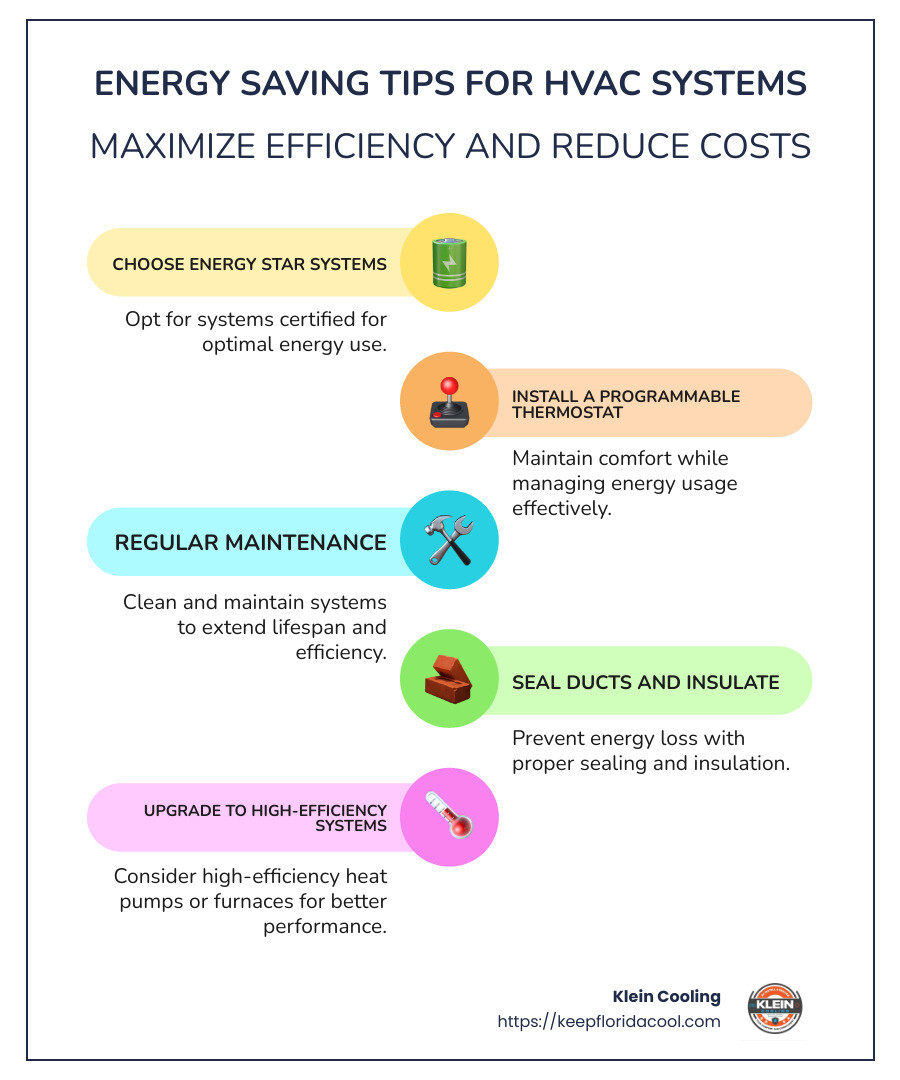
- Choose ENERGY STAR-certified HVAC systems for optimal energy use.
- Install a programmable thermostat to maintain comfort while reducing costs.
- Consider upgrading to high-efficiency heat pumps or furnaces.
- Regularly maintain and clean your HVAC systems to extend their lifespan and efficiency.
- Seal ducts and insulate properly to avoid energy loss.
In today’s world, temperature regulation inside our homes is pivotal not just for comfort, but for conserving energy and saving money. With energy bills making up a large portion of household expenses, particularly for retirees in sunny Palm Coast, FL, the need for a reliable and efficient HVAC system can’t be overstated.
Many homeowners are eager to explore how sustainable solutions, like eco-friendly HVAC systems, can ease their financial stress and reduce environmental impact.
With advancements like programmable thermostats and smart apps, managing your home’s climate has never been easier. But the journey to energy efficiency begins with understanding the systems that heat and cool our spaces. By opting for systems that are both technologically advanced and environmentally friendly, homeowners can ensure comfort without incurring a hefty expense.
We’ll guide you through selecting the right system and maximizing its benefits.
Key terms for energy saving heating and cooling:
– energy efficient HVAC
– most efficient way to heat and cool a home
– energy saving air conditioning units
Understanding Energy Efficient HVAC Systems
When it comes to energy saving heating and cooling, understanding the available HVAC systems is crucial. Let’s break down some of the most efficient options you can consider for your home.
Heat Pumps
Heat pumps are a versatile choice for both heating and cooling. They work by transferring heat rather than generating it, making them incredibly efficient. In warmer climates like Florida, air-source heat pumps are popular. They adjust to your needs, acting like a chameleon with their dual heating and cooling capabilities. With SEER ratings often between 20-25, they are an excellent choice for energy-conscious homeowners.
Geothermal Systems
Geothermal, or ground-source, heat pumps take efficiency to the next level by using the earth’s consistent underground temperature to regulate your home’s climate. Although the initial installation cost is higher, these systems can pay for themselves in 5 to 10 years through energy savings. They’re also incredibly durable, with ground loops lasting over 50 years.
Ductless Mini Split Systems
For homes without existing ductwork, ductless mini split systems are a game-changer. They offer flexibility and efficiency by allowing you to control the temperature in individual rooms. This targeted approach can lead to significant energy savings, especially in homes where only certain areas require heating or cooling at any given time.
SEER Ratings and ENERGY STAR Certification
When evaluating HVAC systems, SEER ratings and ENERGY STAR certifications are your best friends. SEER, or Seasonal Energy Efficiency Ratio, measures an air conditioner’s efficiency over a cooling season. Higher SEER ratings mean more efficiency. For instance, a system with a SEER rating of 28 can cool your home at a very low cost.
ENERGY STAR certification is another indicator of efficiency. To earn this label, HVAC systems must meet strict energy efficiency criteria set by the U.S. Environmental Protection Agency. Choosing an ENERGY STAR-certified system ensures you’re opting for a product that saves energy and reduces greenhouse gas emissions.
Understanding these systems and their benefits can help you make informed decisions that lead to a greener home and lower energy bills. Up next, we’ll explore the top energy-saving heating and cooling solutions available today.
Top Energy Saving Heating and Cooling Solutions
When it comes to creating a greener home, choosing the right energy saving heating and cooling solutions can make a big difference in your comfort and utility bills. Let’s explore some of the top options available today.
Heat Pumps
Heat pumps are one of the most efficient ways to heat and cool your home. They transfer heat instead of generating it, which makes them much more energy-efficient than traditional systems. Cold climate heat pumps are especially useful in regions with freezing temperatures, as they can operate effectively even when it’s as cold as 5°F outside. In warmer areas like Florida, air-source heat pumps are a popular choice due to their high SEER ratings of 20-25, providing both heating and cooling efficiently.
High-Efficiency Furnaces
If you rely on a furnace for heating, consider upgrading to a high-efficiency model. These furnaces have an AFUE rating of 90% or higher, meaning they convert most of their fuel into usable heat. This efficiency leads to lower energy consumption and reduced energy bills. Picture it as squeezing every last drop of energy from your fuel source!
Advanced Air Conditioners
For those hot summer months, advanced air conditioners can keep your home cool without spiking your electricity bill. Look for units with high SEER ratings—some can go as high as 28. These units are designed to provide maximum cooling with minimal energy use, making them perfect for larger homes.
Smart Thermostats
A smart thermostat is a small investment that can lead to big savings. These devices learn your schedule and adjust the temperature accordingly, ensuring you’re not wasting energy when you’re not home. You can even control them remotely through your smartphone, allowing for greater flexibility and efficiency.
Duct Sealing
Leaky ducts can lead to significant energy losses, making your HVAC system work harder than necessary. By sealing your ducts, you can improve your system’s efficiency, resulting in lower energy bills and a more comfortable home. It’s a simple fix that can have a big impact.
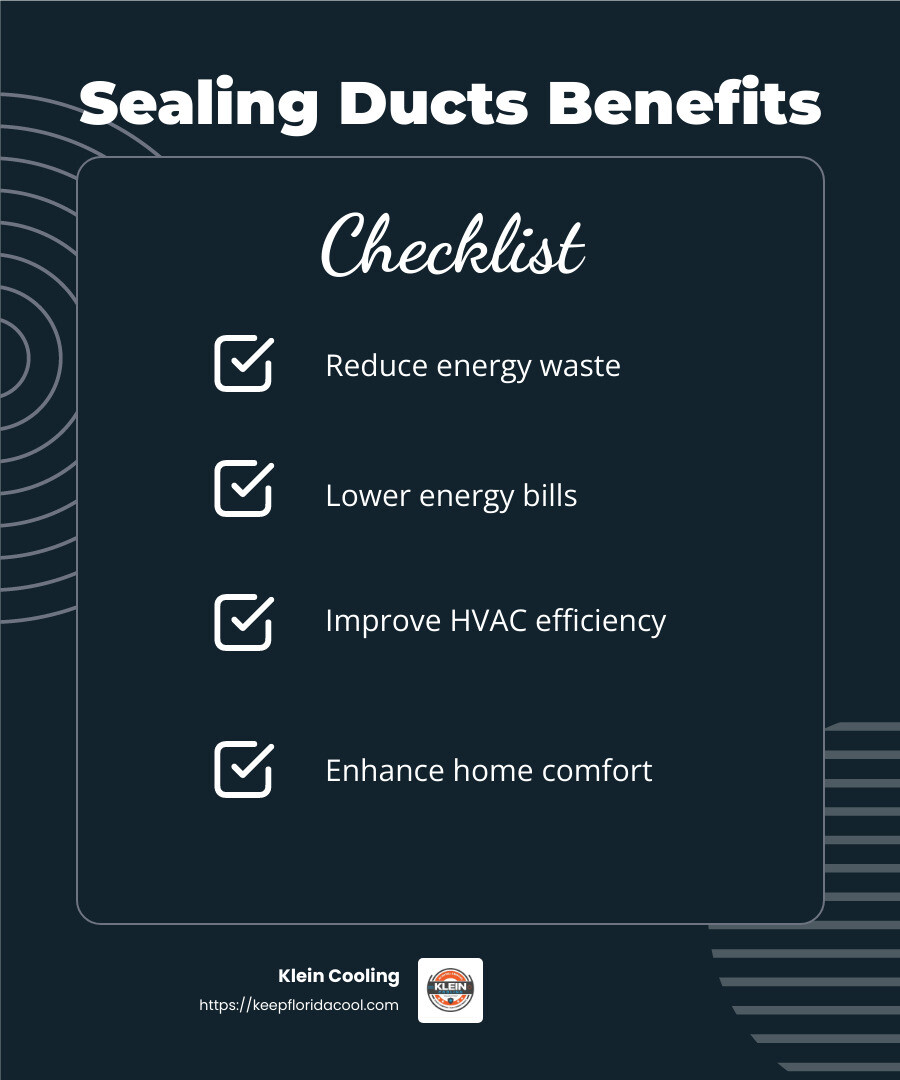
These energy saving heating and cooling solutions not only help reduce your carbon footprint but also contribute to a more comfortable and cost-effective home. Next, we’ll discuss some tips for maximizing HVAC efficiency to further improve your home’s energy performance.
Tips for Maximizing HVAC Efficiency
Improving your home’s energy saving heating and cooling efficiency doesn’t have to be complicated. Here are some simple tips to get the most out of your HVAC system and keep those energy bills in check.
Regular Maintenance
Think of regular maintenance as a health check-up for your HVAC system. Just like a car needs regular oil changes, your HVAC system needs yearly tune-ups. This helps it run smoothly and efficiently, reducing the risk of unexpected breakdowns and costly repairs. Regular maintenance can also extend the lifespan of your system, saving you money in the long run.
Air Filter Replacement
A clean air filter is key to maintaining good airflow and indoor air quality. Check your air filter every month, especially during heavy use months like winter and summer. Replace it at least every three months. A dirty filter makes your system work harder, wasting energy and increasing your bills.
Programmable Thermostats
A programmable thermostat is a smart way to save energy. Set it to lower the temperature when you’re asleep or away from home. This can cut your heating and cooling costs by about 10% a year. Even better, consider upgrading to a smart thermostat for more advanced features and remote control.
Insulation Improvement
Good insulation keeps the heat where it belongs—inside during the winter, and outside during the summer. Check your home’s insulation, especially in the attic and walls, to ensure it’s up to standard. Improving insulation can significantly reduce the load on your HVAC system, enhancing its efficiency.
Ductwork Sealing
Leaky ducts can waste up to 20% of the air that moves through them. Sealing and insulating your ducts can improve your HVAC system’s efficiency and make your home more comfortable. Focus on areas like the attic, basement, and garage, where ducts are often exposed.
These simple steps can help you maximize the efficiency of your HVAC system, leading to a more comfortable home and lower energy bills. In the next section, we’ll answer some frequently asked questions about energy saving heating and cooling to help you make informed decisions about your home’s energy use.
Frequently Asked Questions about Energy Saving Heating and Cooling
What is the most energy-efficient heating and cooling system?
When it comes to energy efficiency, air-source heat pumps and geothermal systems lead the pack. Air-source heat pumps work by transferring heat between your home and the outside air, making them a great option for climates with moderate heating and cooling needs. They can reduce electricity use for heating by up to 75% compared to electric resistance heating, like furnaces.
Geothermal systems, on the other hand, use the earth’s constant underground temperature to heat and cool your home. Although they have a higher initial cost, they offer significant energy savings over time.
Both systems often qualify for ENERGY STAR certification, indicating top-tier energy efficiency.
Is it cheaper to cool or heat a house?
The cost of heating versus cooling largely depends on your local climate and energy rates. Generally, heating a home requires more energy than cooling because it involves generating heat, whereas cooling often involves just moving heat out of the home.
In hot climates like Palm Coast, Florida, cooling might seem more frequent, but it usually consumes less energy than heating in colder regions.
How can I reduce my heating and cooling costs?
Reducing heating and cooling costs is all about optimizing your system and habits:
-
Thermostat Adjustment: Set your thermostat to adjust automatically when you’re not home. Lower it in winter and raise it in summer to save energy. ENERGY STAR recommends setting it 8 degrees up or down when you’re away.
-
Energy-Saving Tips: Use ceiling fans to circulate air, making rooms feel cooler in summer without lowering the thermostat. In winter, reverse the fan direction to distribute warm air evenly.
-
Regular Maintenance: Keep your HVAC system running efficiently with regular check-ups. This includes replacing air filters and sealing ducts to prevent energy loss.
By following these tips, you can keep your home comfortable while cutting down on energy costs.
Conclusion
At Klein Cooling, we believe that creating a greener home doesn’t have to be complicated or expensive. With our expert HVAC services, we help you achieve significant energy savings while maintaining comfort year-round.
Our team works with you to find the best energy-saving heating and cooling solutions custom to your needs. From installing high-efficiency systems like air-source and geothermal heat pumps to providing regular maintenance, we ensure your HVAC system operates at peak efficiency.
By partnering with us, you not only reduce your carbon footprint but also enjoy lower utility bills. Our commitment to honesty, integrity, and exceptional service means you can trust us to deliver solutions that align with your values and budget.
Ready to make your home more energy-efficient? Find how our services can transform your living space into a greener haven. Learn more about our comprehensive HVAC solutions and schedule your consultation today.
Let’s work together to create a sustainable future, one home at a time.