
New HVAC System Installation: A Step-by-Step Guide
New HVAC system installation can seem like a daunting task, filled with complex decisions and technical jargon. But don’t worry—it’s more straightforward than it seems when broken down with expert help.
Here’s a quick overview of what you need to know:
-
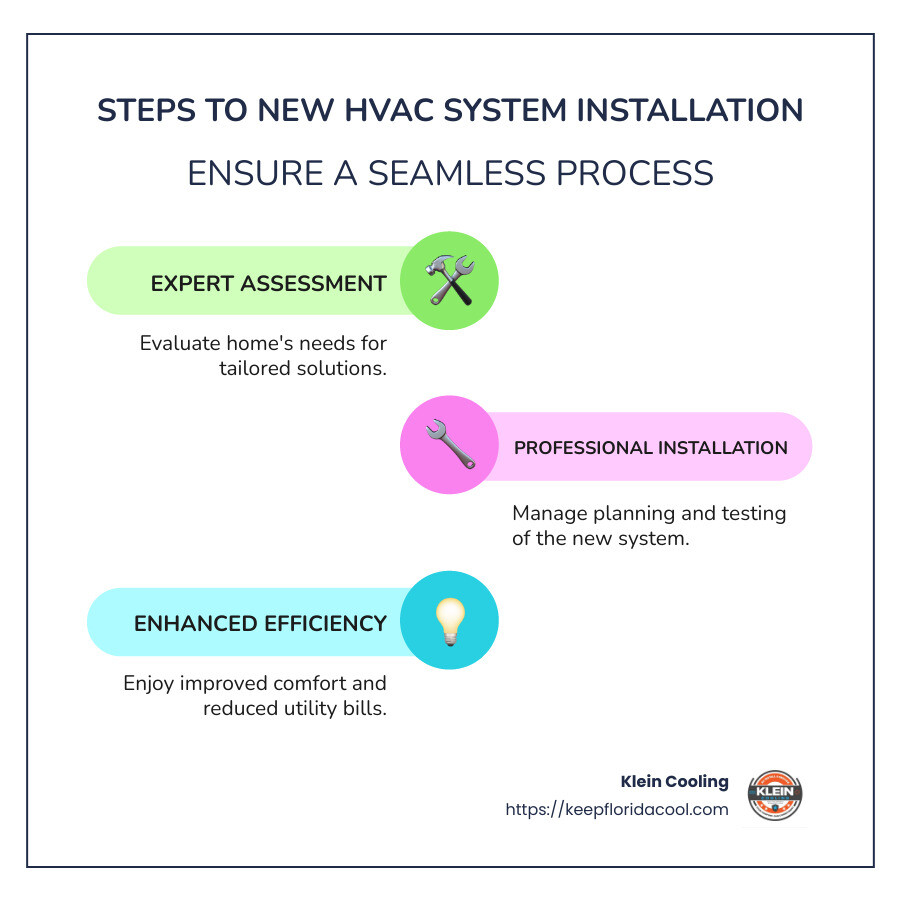
Expert assessment: A professional evaluation ensures your new HVAC system is custom precisely to your home’s needs.
-
Installation complexity: While the installation process can be intricate, skilled technicians manage everything from planning to testing your new system.
-
Efficiency and benefits: A new system not only improves home comfort but also boosts energy efficiency, potentially lowering utility bills.
In Palm Coast, FL, residents like John, a retired veteran, look for reliable HVAC services. Companies like Klein Cooling offer dependable solutions custom for comfort, with discounts for veterans and seniors.
By understanding these basics and working with trusted professionals, you can ensure a seamless transition to a new HVAC system that keeps your home perfectly comfortable year-round.
Quick New HVAC system installation definitions:
- Comprehensive air conditioning services
- Furnace installation Palm Coast
- Heat pump installation Palm Coast
Understanding HVAC Systems
When considering a new HVAC system installation, understand the types of systems available and how they impact energy efficiency.
Centralized Systems
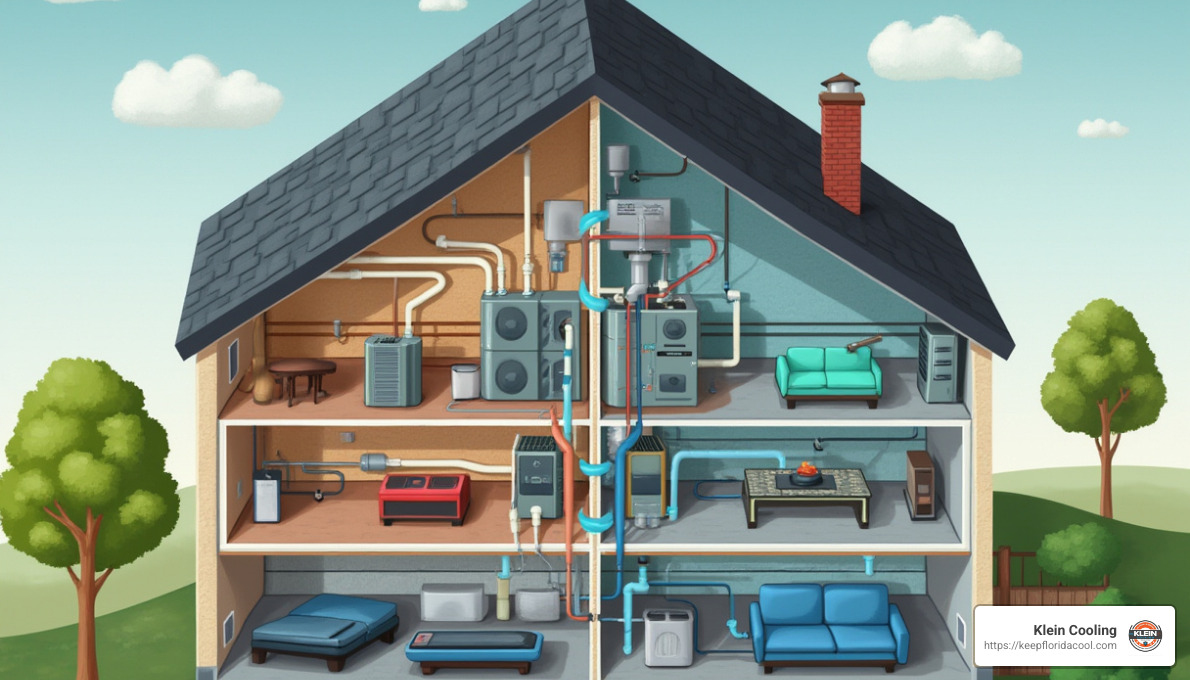
Centralized HVAC systems are a popular option for many homes. These systems use ductwork to distribute air throughout your home, providing consistent temperature control. They typically include components like air conditioners, furnaces, and heat pumps. Centralized systems are known for their ability to maintain a uniform climate in larger spaces.
Ductless Systems
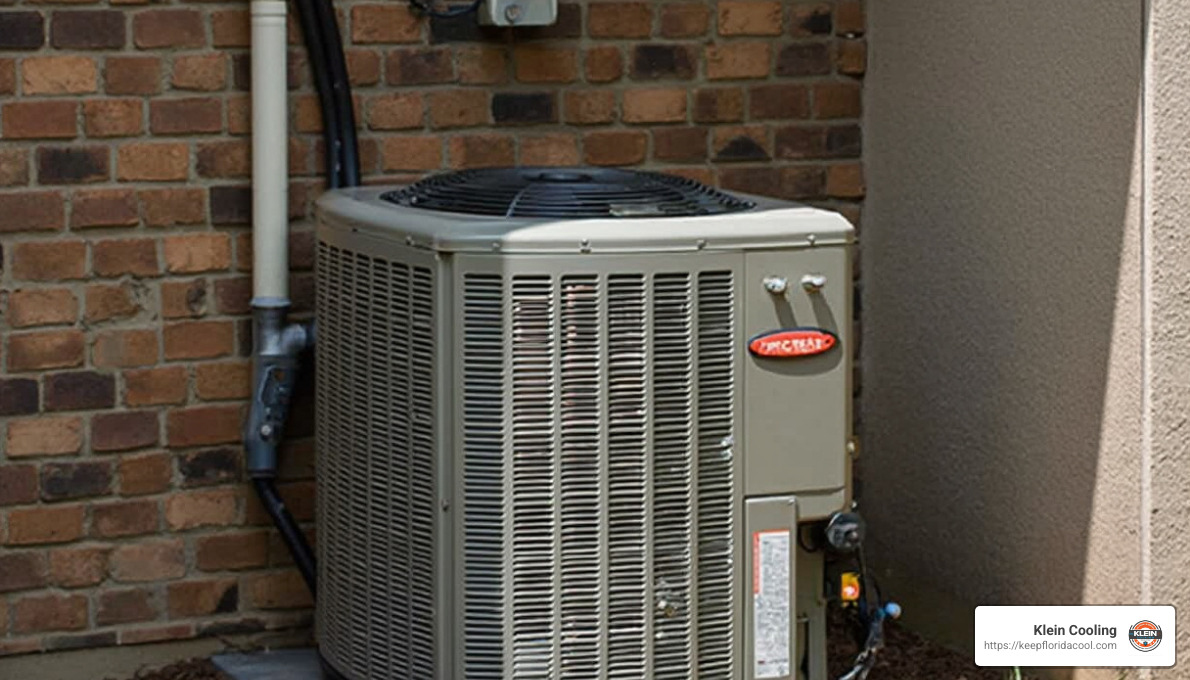
Ductless systems, also known as mini-splits, are a flexible alternative. They don’t require ductwork, making them ideal for homes without existing ducts or for room additions. These systems consist of an outdoor unit connected to one or more indoor units, allowing for customizable temperature control in different areas of your home. Ductless systems are often praised for their efficiency and ease of installation.
Energy Efficiency
Energy efficiency is a critical factor when choosing an HVAC system. Systems with high SEER2 ratings for air conditioners or heat pumps and high AFUE ratings for furnaces use less energy to achieve the same level of comfort. This can lead to significant savings on utility bills, especially in regions where HVAC systems run frequently.
For example, a variable-speed system can adjust its output to match your home’s specific heating or cooling needs, enhancing both comfort and efficiency. This feature is particularly beneficial in areas with fluctuating humidity levels.
By understanding the differences between centralized and ductless systems, and focusing on energy efficiency, you can make informed decisions for your home’s HVAC needs. This knowledge, combined with professional guidance, will help you select a system that keeps your home comfortable while minimizing energy costs.
New HVAC System Installation Process
Pre-Installation Preparation
The journey to a new HVAC system installation begins with a consultation. This is where you meet with a professional to discuss your home’s needs and your personal preferences. During this stage, the expert will conduct a thorough site evaluation. They’ll assess your current system, if you have one, and check the layout of your home. This evaluation helps in selecting the right system size and type, ensuring optimal performance and efficiency.
Once the consultation is complete, a site inspection follows. This inspection is more detailed and involves checking the condition of existing ductwork, electrical systems, and other components that might affect the installation. It’s crucial to address any potential issues before installation day to avoid delays.
Homeowner preparation is also important. Clear the area around the old system and ensure easy access for technicians. This preparation helps speed up the installation process and minimizes disruptions.
Installation Day Procedures
On installation day, safety is the top priority. Technicians will follow strict safety protocols to protect both your home and themselves. This includes turning off electrical circuits and using proper gear.
The first step is equipment setup. New components are carefully brought into your home and positioned for installation. If you’re replacing an old system, system removal is necessary. This involves removing the old air conditioner, furnace, or heat pump, and safely handling any refrigerant, as per EPA guidelines.
Installing New Equipment
With the old system out, it’s time to install the new components. This includes the evaporator coil, which is crucial for cooling. You can choose between a cased or uncased coil, depending on your system and space.
Next, the copper line set is installed. These lines carry refrigerant between the indoor and outdoor units. If the old lines can’t be replaced, they may be flushed and cleaned to ensure compatibility with the new system.
Finally, electrical upgrades might be necessary to support the new system. This could include installing a new disconnect box or upgrading circuit breakers to meet the manufacturer’s specifications.
By following these steps, your new HVAC system will be installed efficiently and safely, setting the stage for improved comfort and energy savings.
Cost Considerations for New HVAC System Installation
When planning a new HVAC system installation, understanding the costs involved is crucial. The average cost of installation can range from $5,000 to $10,000, but this varies based on several factors.
Factors Affecting Cost
-
System Type and Size: The type of system you choose—central air, ductless, or geothermal—affects the price. Larger homes may require more powerful systems, increasing costs.
-
Energy Efficiency: High-efficiency models, while more expensive upfront, can reduce energy bills over time. Look for systems with high SEER (Seasonal Energy Efficiency Ratio) ratings for air conditioners and AFUE (Annual Fuel Utilization Efficiency) ratings for furnaces.
-
Home Layout and Ductwork: If your home needs new ductwork or modifications to existing ducts, expect higher installation costs. Homes without existing ductwork might consider ductless systems to avoid this expense.
-
Location: Installation costs can vary by region due to differences in labor rates and local regulations.
-
Additional Features: Features like smart thermostats, air purifiers, or dehumidifiers add to the cost but can improve comfort and efficiency.
Financing Options
For many homeowners, financing options can make a new HVAC system more affordable. Consider these possibilities:
-
Manufacturer Financing: Some HVAC manufacturers offer financing plans with low or no interest rates for qualifying customers.
-
Home Equity Loans: Using home equity can provide lower interest rates compared to personal loans.
-
Credit Cards: While convenient, be cautious of higher interest rates.
-
Energy Efficiency Incentives: Check for local, state, or federal incentives for installing energy-efficient systems. These can include rebates or tax credits, reducing the overall cost.
Understanding these cost factors and financing options can help you plan your budget effectively, ensuring you get the best system for your needs without overspending.
Frequently Asked Questions about New HVAC System Installation
What is the average cost to install a new HVAC system?
The cost of a new HVAC system installation typically ranges from $5,000 to $10,000. However, this price can fluctuate depending on several factors.
-
System Type and Size: Central air systems might cost more than ductless systems, and larger homes often need bigger units, which adds to the expense.
-
Energy Efficiency: High-efficiency systems usually have a higher upfront cost but can save you money on energy bills in the long run. Look out for systems with high SEER or AFUE ratings.
-
Home Layout and Ductwork: Homes that need new ductwork or modifications to existing ducts will see higher installation costs. Ductless systems can be a cost-effective option if ductwork is not already in place.
-
Location: Costs can vary based on regional labor rates and local regulations.
-
Additional Features: Extras like smart thermostats, air purifiers, or dehumidifiers increase costs but can improve system performance and comfort.
How long does HVAC installation take?
The time required for an HVAC installation generally ranges from four to eight hours. However, this can vary based on the complexity of the job.
-
System Type: Simple installations, like replacing an old unit with a similar new one, are usually quicker.
-
Home Modifications: If significant changes to ductwork or electrical connections are needed, the process will take longer.
-
Combined Installations: Installing both a furnace and an air conditioner will require more time compared to installing just one of these components.
Can I perform an HVAC installation myself?
While it might be tempting to cut costs by installing an HVAC system yourself, it is strongly recommended to hire a professional.
-
Proper Sizing: Choosing the right-sized unit is crucial for efficiency and comfort. Professionals can accurately calculate your home’s heating and cooling needs.
-
Installation Complexity: Incorrect installation can lead to inefficient operation and increased energy costs. It may also void any manufacturer warranties.
-
Safety and Regulations: Refrigerants used in HVAC systems are highly regulated. A licensed technician must handle them to comply with EPA regulations.
In summary, hiring a professional ensures a safe and efficient installation, saving you money and headaches in the long run.
Conclusion
Choosing the right company for your new HVAC system installation is crucial for ensuring comfort and efficiency in your home. At Klein Cooling, we pride ourselves on delivering expert HVAC services in Palm Coast, FL, with a focus on honesty, integrity, and exceptional service.
Our family-owned business understands the importance of keeping your home comfortable throughout the year. That’s why we offer a range of services, including installation, repair, and maintenance, custom to meet your unique needs. Our friendly and knowledgeable technicians treat every home as if it were their own, ensuring that our solutions are customized for each customer.
We also offer special discounts for first responders, military personnel, and seniors, reflecting our commitment to community values and support. Our unique approach combines the warmth of family values with the professionalism you deserve, making Klein Cooling a trusted partner for all your HVAC needs.
For more information on our services or to schedule a consultation, visit our Additional Services page. Let us help you steer the complexities of HVAC installation and ensure your home remains a haven of comfort and efficiency.