
The Quest for Efficiency: How to Select the Right HVAC System
How Efficient HVAC Systems Can Transform Your Home
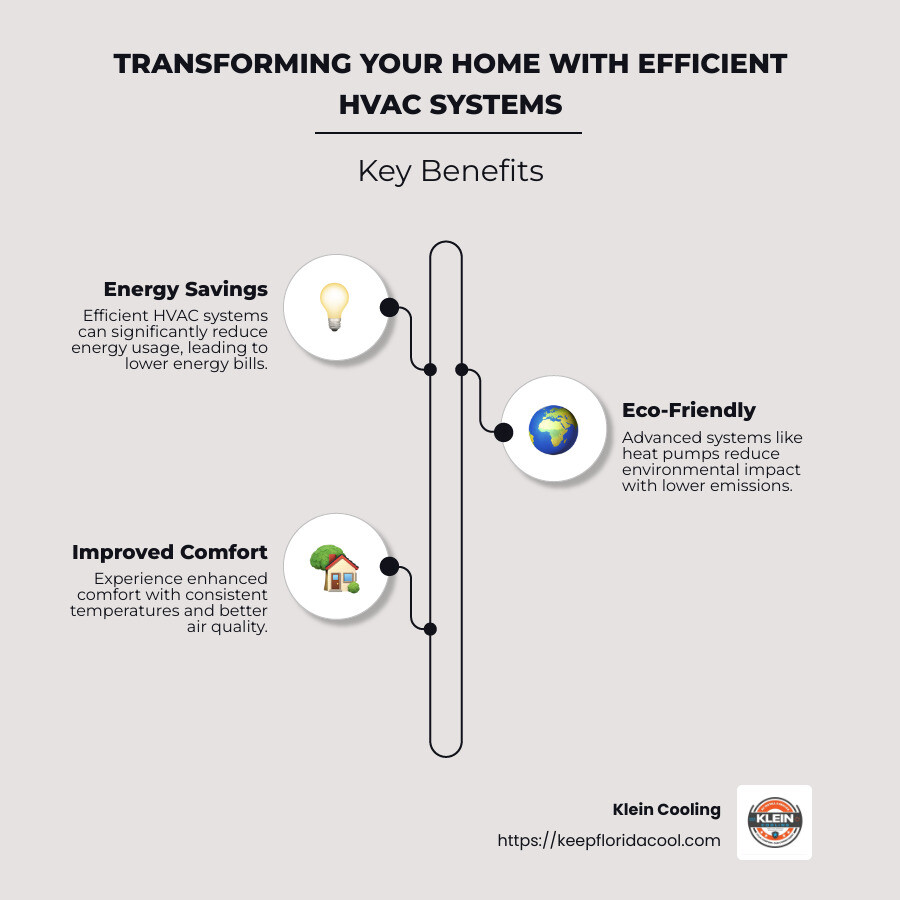
When it comes to keeping our homes comfortable, energy consumption plays a big role. In fact, heating and cooling account for more than half of a typical U.S. home’s energy usage. This is where Efficient HVAC systems come in; they’re designed to use less energy while maintaining comfort. If you’re looking for immediate tips:
- Upgrade to an air-source heat pump, especially if you want a system that’s versatile for both heating and cooling.
- Consider removing old ducts or upgrading them if they’re causing energy loss.
- Prioritize systems with high SEER and HSPF ratings for optimal efficiency.
- Regular maintenance can prevent up to 30% higher energy use due to performance issues.
Innovation in the HVAC industry is at the forefront of reducing energy consumption while improving home comfort. Recent advancements allow homeowners to enjoy cost savings and reduced environmental impact through new technologies like ductless mini splits and geothermal heat pumps. These aren’t just about saving money; they’re about embracing a smarter, more sustainable way to keep cool or stay warm, depending on the season.
As you explore options for your home in Palm Coast, FL, consider the innovations changing HVAC systems today. These advances are not just technical marvels but also pivotal in reducing energy bills and improving overall home comfort.
Simple Efficient HVAC systems glossary:
– Advanced HVAC systems
– Duct sealing services
– Heat pump installation
Understanding HVAC System Efficiency
When it comes to heating and cooling your home, understanding the efficiency of your HVAC system is crucial. Let’s break down some key terms that will help you make informed choices.
SEER and EER Ratings
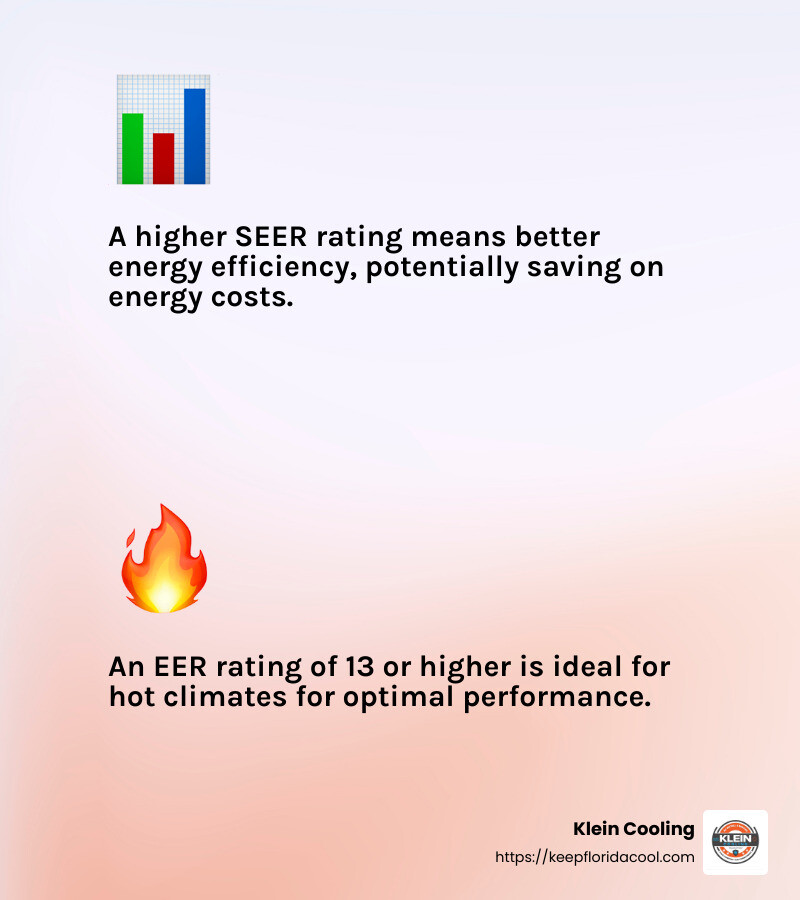
SEER (Seasonal Energy Efficiency Ratio) is like a GPA for air conditioners and heat pumps. It measures how efficiently your system uses energy throughout the cooling season. A higher SEER rating means better efficiency. If your current system has a SEER rating lower than 14.5, it might be time to consider an upgrade to save on energy costs.
EER (Energy Efficiency Ratio) provides a snapshot of your system’s efficiency at a specific outdoor temperature. This rating is particularly important in consistently hot climates, as it shows how well your system performs under stress. A system with an EER of 13 or higher is considered efficient for such conditions.
AFUE and HSPF
AFUE (Annual Fuel Utilization Efficiency) is the report card for your furnace. It tells you how well your furnace converts fuel into heat. For instance, an AFUE of 85% means 85% of the fuel becomes heat, while 15% is wasted. A higher AFUE rating indicates a more efficient furnace.
HSPF (Heating Season Performance Factor) measures the efficiency of heat pumps during the heating season. The higher the HSPF, the more efficient the system. This is crucial for homeowners relying on heat pumps in colder climates.
Why Efficiency Matters
Choosing an Efficient HVAC system isn’t just about picking the unit with the highest ratings. It’s about finding a system that fits your home’s size, layout, and climate. Efficient systems not only save energy but also reduce your utility bills and environmental impact.
In Palm Coast, FL, where temperatures can fluctuate, having a system with high SEER and HSPF ratings ensures you stay comfortable year-round without breaking the bank.
By understanding these efficiency metrics, you can make smarter choices for your home and contribute to a more sustainable future.
Types of Efficient HVAC Systems
When it comes to choosing an Efficient HVAC system, there are several options that cater to different needs and preferences. Let’s explore some of the most energy-saving systems available today.
Air-Source Heat Pumps
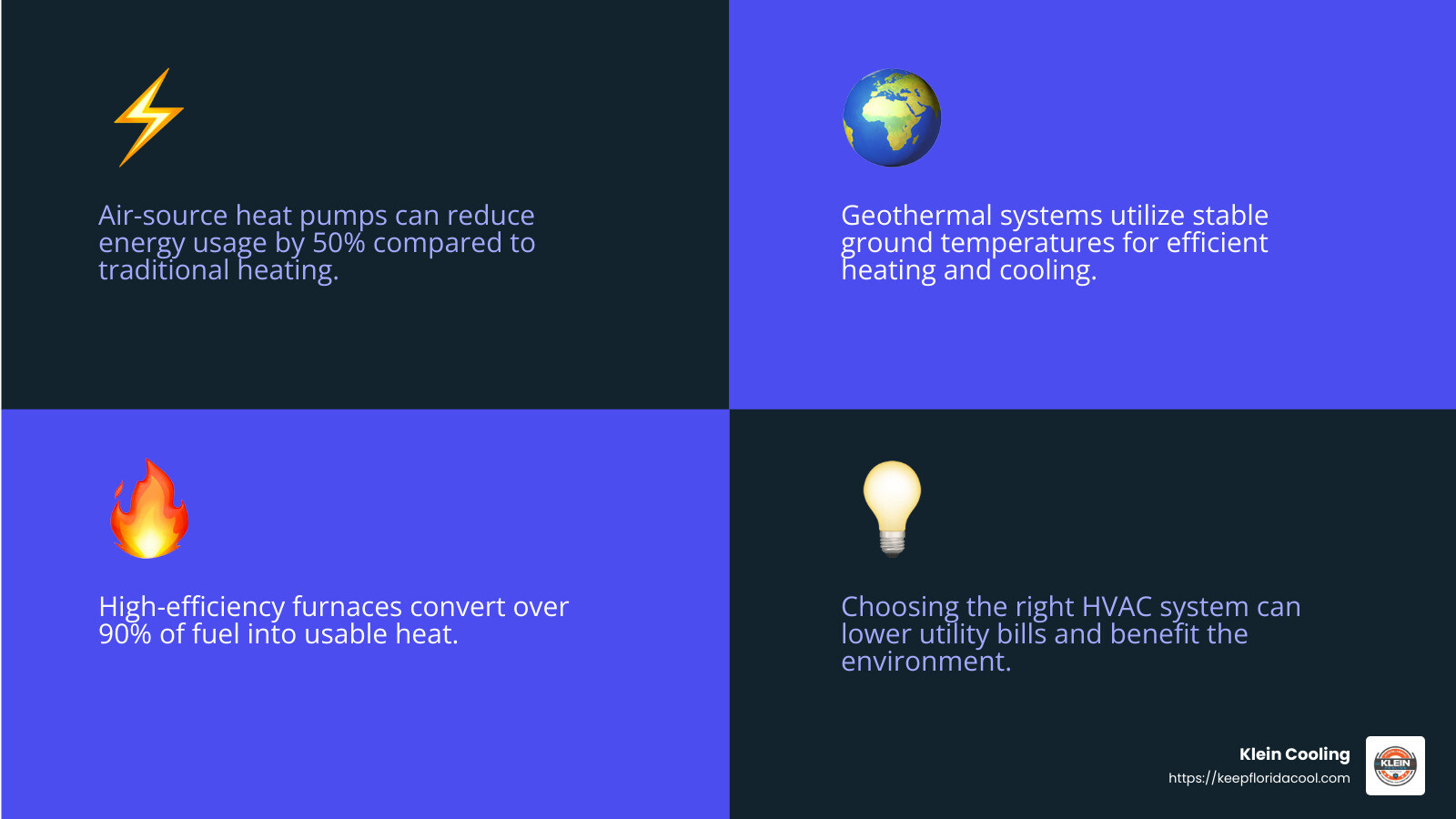
Air-source heat pumps are a popular choice for their dual functionality—providing both heating and cooling. These systems use electricity to transfer heat from the air outside to the inside of your home, making them incredibly efficient.
-
Ducted vs. Ductless Mini Split: If your home already has ductwork, a ducted heat pump might be the best fit. However, for homes without existing ducts or for specific areas like a home office, a ductless mini split is ideal. Ductless systems allow for individual room temperature control, which helps to save energy by only heating or cooling the areas in use.
-
Energy Savings: Air-source heat pumps are designed to be energy-efficient, with many models boasting high SEER and HSPF ratings. This means they use less energy to maintain comfortable temperatures, leading to lower utility bills.
Geothermal Heat Pumps
Geothermal heat pumps take advantage of the earth’s stable ground temperature to provide heating and cooling. These systems are among the most eco-friendly HVAC options available.
-
How They Work: Geothermal systems use a series of underground pipes (ground loops) to transfer heat between your home and the earth. This process is highly efficient because the ground maintains a consistent temperature year-round.
-
Eco-Friendly and Long-Lasting: Not only do geothermal systems offer significant energy savings, but they also have a longer lifespan compared to traditional HVAC systems. They require minimal maintenance, making them a smart long-term investment.
High-Efficiency Furnaces
For those who prefer traditional heating methods, high-efficiency furnaces are a great option. These furnaces are designed to use fuel more effectively, reducing waste and lowering costs.
-
AFUE Rating: The key metric for measuring furnace efficiency is the AFUE rating. Look for furnaces with a high AFUE percentage, which indicates that more of the fuel is being converted into usable heat.
-
Fuel Usage: High-efficiency furnaces typically use less fuel to produce the same amount of heat as older models. This not only saves money but also reduces the environmental impact of heating your home.
Choosing the right system depends on various factors, including your home’s size, layout, and the local climate. Whether you opt for an air-source heat pump, a geothermal system, or a high-efficiency furnace, upgrading to an efficient system is a smart move for both your wallet and the environment.
Factors to Consider When Choosing Efficient HVAC Systems
Selecting the right Efficient HVAC system is crucial for optimizing comfort and energy savings in your home. Here are some key factors to keep in mind:
Home Size and Layout
Home Size Matters: The size of your home plays a significant role in determining the appropriate HVAC system. Larger homes may benefit from ducted systems, like ducted heat pumps, which can distribute air evenly throughout the house. Smaller homes or individual rooms may find ductless mini splits more suitable due to their targeted heating and cooling capabilities.
Layout Considerations: The layout of your home can also influence your choice. For open floor plans, a central system might be effective. In contrast, homes with multiple levels or distinct zones may benefit from systems that offer zoning capabilities, allowing for different temperature settings in different areas.
Climate Conditions
Local Climate Impact: The climate in Palm Coast, FL, is warm and humid, making cooling a priority. Air-source heat pumps and advanced air conditioners, especially those with high SEER ratings, are ideal for efficiently managing cooling needs. For homes in cooler climates, a high-efficiency furnace might be more appropriate.
ENERGY STAR Certification
Look for the ENERGY STAR Label: ENERGY STAR-certified HVAC systems are designed to meet strict energy efficiency guidelines set by the U.S. Environmental Protection Agency. These systems not only reduce energy consumption but also lower utility bills, making them a smart choice for environmentally conscious homeowners.
Efficiency Ratings: Pay attention to SEER, EER, and AFUE ratings when choosing an HVAC system. Higher ratings indicate better efficiency. For example, a system with a SEER rating of 20 is more efficient than one with a rating of 14, leading to greater energy savings over time.
Taking these factors into account will help you choose an HVAC system that not only meets your home’s specific needs but also maximizes energy efficiency and cost savings.
Tips for Maximizing HVAC System Efficiency
Getting the most out of your Efficient HVAC system involves more than just picking the right unit. It’s about ensuring everything works together smoothly. Here are some simple tips to help you do just that:
Proper Installation
Think of installation as the foundation of your HVAC system. Without it, even the best systems can falter. According to the U.S. Department of Energy, improper installation can increase energy use by up to 30%. Ensure that all components are installed correctly, and that ductwork is sealed to prevent air leaks. Proper installation is crucial for long-term efficiency.
Regular Maintenance
Just like a car needs oil changes, your HVAC system needs regular check-ups. Changing filters and scheduling routine maintenance can prevent costly repairs and keep your system running smoothly. Klein Cooling offers comprehensive maintenance plans that include cleaning coils and checking electrical components, ensuring your system is always in top shape.
Smart Thermostats
Smart thermostats are like having a personal assistant for your HVAC system. They allow you to control the temperature settings from your phone, helping you save energy. The U.S. Department of Energy suggests that using smart thermostats can lead to energy savings of up to 10% per year. Consider upgrading to a smart thermostat for better control and efficiency.
Ductwork
Ductwork is the highway for your home’s air. Leaky ducts can waste 20-30% of the air that moves through them. Make sure your ductwork is in good condition and properly sealed. If you’re in a home without existing ductwork, consider ductless mini splits, which avoid this problem altogether.
By focusing on these key areas, you can ensure your HVAC system operates efficiently, saving you money on energy bills and enhancing your home’s comfort.
Frequently Asked Questions about Efficient HVAC Systems
What is the most efficient type of HVAC system?
When it comes to efficiency, air-source heat pumps are often at the top of the list. They provide both heating and cooling, making them a great option for year-round climate control. Unlike traditional systems that generate heat, air-source heat pumps transfer heat, which uses less energy. This makes them an excellent choice for reducing your energy footprint and saving on energy bills.
How much more efficient is a 20 SEER vs 14 SEER?
The SEER (Seasonal Energy Efficiency Ratio) rating tells you how efficiently an air conditioning system operates. A 20 SEER system is significantly more efficient than a 14 SEER system. In fact, a higher SEER rating can mean up to 30% more energy savings. This translates to lower energy bills, especially during hot summer months when cooling needs are high. However, it’s important to weigh these savings against the initial cost difference, as higher SEER systems can be more expensive upfront.
Is a high-efficiency HVAC system worth the extra cost?
Investing in a high-efficiency HVAC system can be worth the extra cost for several reasons. First, the energy savings can significantly reduce your monthly utility bills, adding up over the years. Second, high-efficiency systems often increase the resale value of your home, making it more attractive to potential buyers. Lastly, many high-efficiency systems qualify for rebates and incentives, which can offset the initial investment. While the upfront cost may be higher, the long-term benefits often make it a smart financial decision.
Conclusion
At Klein Cooling, we understand that choosing the right HVAC system is crucial for energy efficiency and home comfort. As experts in HVAC services in Palm Coast, FL, we are committed to providing our community with top-notch, professional solutions custom to your specific needs.
Our family-owned business is built on the pillars of honesty and integrity. We pride ourselves on offering personalized service, ensuring that each customer receives the best possible care. Whether it’s installation, repair, or maintenance, our skilled technicians treat your home as if it were their own.
We offer a variety of efficient HVAC systems, including air-source heat pumps and geothermal heat pumps, to help you save on energy costs while maintaining a comfortable indoor environment. Our commitment to quality and customer satisfaction means you can trust us to guide you in selecting the most suitable system for your home.
In addition to our expert services, we provide first responder, military, and senior discounts, making it more affordable to invest in energy-efficient solutions. Our goal is to combine family values with professional expertise to deliver exceptional HVAC services.
For more information on how we can help you with your HVAC needs, visit our Additional Services page to learn more about our offerings and schedule a consultation.
Choose Klein Cooling for all your HVAC needs in Palm Coast, FL, and experience the warmth of family values paired with the professionalism you deserve.